Source Front Housing Case for Transportation, Gun Cases, and Wine Boxes
Compare 30 front housing case options from verified Chinese manufacturers. Buyers can evaluate materials like metal, plastic, and PU, along with features such as waterproofing and shock absorption for uses including transportation, gun cases, and wine boxes.
Key considerations
Products List
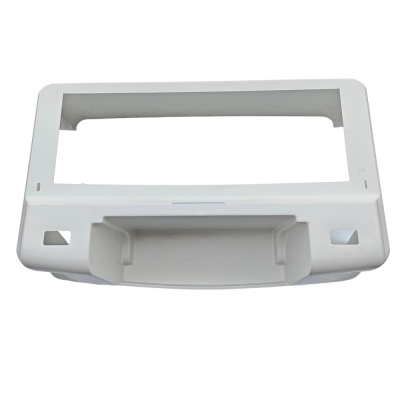


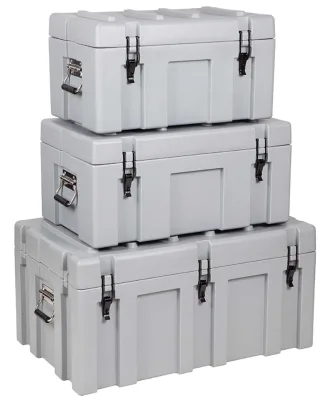


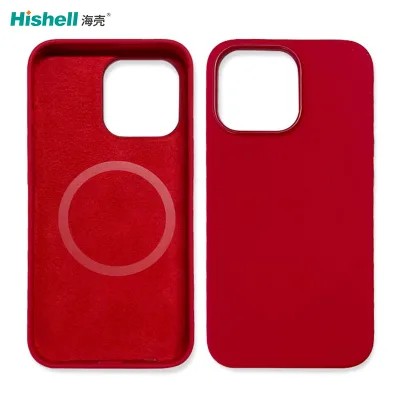


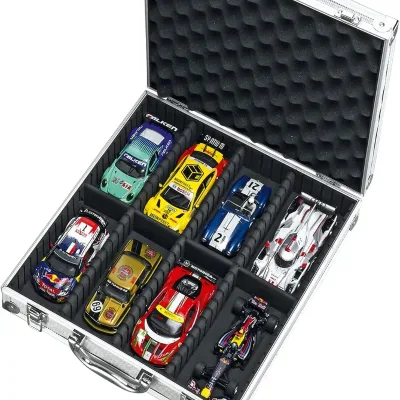


Comprehensive Sourcing Guide
Strategic Sourcing Guide for Front Housing Cases
Understanding Product Variability and Core Specifications
When sourcing front housing cases, buyers must first recognize that the term encompasses a diverse range of industrial and consumer components rather than a single uniform product. The market data indicates significant variation in material composition, with options ranging from metal and plastic to PU (Polyurethane) and ABS. The specific application dictates the necessary structural integrity; for instance, cases designed for transportation or heavy-duty equipment often utilize metal or high-strength plastic, while those intended for consumer electronics, such as phone cases, may rely on PU or specialized polymers.
The physical dimensions of these components are equally critical. Observations from current listings reveal size classifications ranging from "Middle" to "Large," with specific model numbers like LT-600 and KD-5 appearing in the supply chain. Buyers should not assume a standard size exists across all suppliers. Instead, procurement teams must verify the exact model number and dimensional specifications against their internal design requirements. The condition of the product is consistently listed as "New," ensuring that buyers receive fresh inventory suitable for immediate integration or replacement. Furthermore, the customization capabilities are a key differentiator in this sector. Many suppliers offer "Customization: Available" and "Design: as Required," allowing for tailored solutions that fit unique housing constraints or branding needs.
Material Selection and Functional Performance
The selection of materials directly influences the functional performance of the front housing case. The supply chain offers a spectrum of materials, each serving distinct purposes. Metal components are frequently cited for their durability, often paired with certifications like CE for safety compliance. In contrast, plastic and PU materials are common for applications requiring lighter weight or specific aesthetic finishes, such as the "White" or "Green" color options observed in various listings.
Functional attributes are equally varied. Some units are engineered with specific properties such as "Waterproof," "Shock Absorbent," and "Dirt-resistant," making them suitable for harsh environments or outdoor applications like gun cases, mailboxes, and wine boxes. Other products focus on protection for delicate electronics, with functions explicitly listed as "Protect Phone" or "Explosion Proof" for junction boxes. The hardness of the material is another critical specification, with some products rated as "Medium Soft," which may be preferable for applications requiring a degree of flexibility or impact absorption without cracking.
Buyers must align the material choice with the intended usage. For transportation or industrial equipment, the robustness of metal or high-grade plastic is essential. For consumer electronics, the focus shifts to compatibility and protection, as seen in cases designed for specific devices like the "Aplle Touch 5" or compatible with "iPhone." The presence of an "Inside Material" such as Polyester suggests that some cases include internal lining for added protection against scratches or static, a feature that should be verified during the specification phase.
Compliance, Certification, and Safety Standards
Navigating the compliance landscape is a critical step in the procurement of front housing cases. The market data highlights a mix of international and regional standards. Certifications such as CE, ISO9001, RoHS, UL, CQC, CCC, and ISO are present in the supply chain, indicating that various suppliers adhere to different regulatory frameworks depending on their target markets. For example, the presence of "Explosion Proof" functionality implies a need for rigorous safety testing, likely requiring specific certifications that verify the case can contain internal explosions without compromising external safety.
Buyers must verify that the supplier can provide valid documentation for the claimed certifications. While some listings state standards like "High Quality" or "by custom made," these are descriptive terms rather than formal certifications. In contrast, explicit mentions of ISO9001 or CE provide a higher degree of confidence regarding quality management systems and safety compliance. It is imperative to request proof of these certifications before finalizing an order, especially for applications involving electrical components or safety-critical environments.
Additionally, the "IP Rating" is a crucial metric for environmental protection, although the specific rating in the provided data appears incomplete ("IPMaterial:ABS"). Buyers should insist on a complete IP rating (e.g., IP65, IP67) to understand the exact level of protection against dust and water ingress. The "Waterproof" attribute is frequently mentioned, but the degree of waterproofing should be quantified through the IP rating or specific test reports provided by the manufacturer.
Cost Drivers and Commercial Terms
The cost structure for front housing cases is influenced by several factors, including material type, customization level, and order volume. The observed price range in the market is broad, spanning from $0.04 to $2000 USD. This variance reflects the difference between simple plastic covers and complex, explosion-proof metal enclosures. The Minimum Order Quantity (MOQ) also plays a significant role in pricing, with observed ranges from 1 to 20,000 units. Some suppliers list specific MOQs, such as 1000 PCS for certain phone cases, while others may be more flexible.
Commercial terms are another key consideration. The "FOB" (Free on Board) price term is noted in the data, indicating that the buyer is responsible for shipping costs and insurance from the port of origin. This is standard for international trade but requires buyers to have a clear understanding of their logistics capabilities. Sample lead times are typically short, with a range of 5-7 days observed, allowing for rapid prototyping and evaluation. However, bulk production lead times are not explicitly defined in the provided data and must be negotiated directly with the supplier.
Packaging is also a cost driver. Options include "Pallet," "Carton," "Inner box," "Polybag," and "Export Packing." The choice of packaging affects the final cost and the safety of the goods during transit. For large orders, "Export Packing" is often required to ensure compliance with international shipping standards. Buyers should clarify the packaging specifications to avoid unexpected costs or damage during shipment.
Supplier Evaluation and Geographic Considerations
The geographic origin of the products is predominantly China, with specific mentions of Zhejiang and Guangzhou as key manufacturing hubs. These regions are known for their robust manufacturing ecosystems, particularly in plastics, metals, and electronics components. The "Place of Origin" is a critical factor for buyers assessing supply chain reliability and logistics. Suppliers located in these regions may offer competitive pricing due to established supply chains and economies of scale.
When evaluating suppliers, buyers should look beyond the basic product attributes. The availability of "Customization" and "Logo Printing" capabilities indicates a supplier's flexibility. However, some listings note "Without Logo Printing," suggesting that branding may be an additional service or cost. The "Brand Name" delson appears in the data, but buyers should be cautious about relying on brand names alone and instead focus on the supplier's track record, quality control processes, and ability to meet specific technical requirements.
The "Condition" of the product is consistently "New," which is a baseline expectation. However, buyers should verify the supplier's quality control measures to ensure that the "New" condition is maintained throughout the production and shipping process. The "Hardness" and "Material" specifications should be cross-referenced with the supplier's technical data sheets to ensure consistency.
Quality Control and Long-Term Procurement Strategy
Ensuring quality in front housing cases requires a proactive approach to quality control. Buyers should establish clear acceptance criteria based on the observed specifications, such as material composition, dimensions, and functional attributes like "Waterproof" or "Shock Absorbent." The presence of certifications like ISO9001 suggests that some suppliers have established quality management systems, but buyers should still conduct their own audits or request third-party inspection reports.
Long-term procurement considerations include the stability of the supply chain and the ability of the supplier to scale production. The wide range of MOQs (1-20,000) indicates that suppliers can accommodate both small and large orders, but buyers should negotiate terms that align with their demand forecasts. The "Sample Leadtime" of 5-7 days is a positive indicator of responsiveness, but buyers should also inquire about lead times for bulk orders to ensure timely delivery.
Finally, buyers should consider the lifecycle of the product. For applications requiring long-term durability, such as "Transportation" or "Gun Cases," the material and construction quality are paramount. For consumer electronics, the focus may be on aesthetics and compatibility. By aligning procurement strategies with these long-term needs, buyers can ensure that the front housing cases they source meet both immediate and future requirements.
Comparative Analysis of Product Attributes
To facilitate decision-making, the following table summarizes the key attributes observed in the market for front housing cases. This comparison highlights the diversity of options available and the specific considerations buyers should address during the sourcing process.
| Attribute Category | Observed Options | Key Considerations for Buyers |
|---|---|---|
| Material | Metal, Plastic, PU, ABS, Polyester (Inside) | Match material to environmental demands (e.g., metal for durability, PU for flexibility). |
| Function | Waterproof, Shock Absorbent, Dirt-resistant, Explosion Proof, Protect Phone | Verify specific functional claims with test reports or certifications. |
| Size | Middle, Large | Confirm exact dimensions against design specifications; model numbers vary (e.g., LT-600, KD-5). |
| Color | White, Green | Check if color is standard or requires customization. |
| Certification | CE, ISO9001, RoHS, UL, CQC, CCC, ISO | Request valid certificates; verify relevance to target market regulations. |
| Packaging | Pallet, Carton, Inner Box, Polybag, Export Packing | Ensure packaging meets shipping requirements and protects the product. |
| Customization | Available, Design as Required, Logo Printing (Optional) | Clarify scope of customization and associated costs/lead times. |
| Origin | China (Zhejiang, Guangzhou) | Assess logistics and supply chain stability based on location. |
This structured approach ensures that buyers can navigate the complex landscape of front housing cases with confidence, making informed decisions based on verified data and strategic evaluation.
FAQs
What materials are used for front housing cases?
Front housing cases are constructed from metal, plastic, PU, and ABS materials. Some units also feature an inside material of polyester for added protection. The specific material depends on the intended application and required durability.
Which certifications are available for these cases?
Available certifications include CE, ISO9001, RoHS, UL, CQC, CCC, and ISO. These standards verify safety and quality management systems. Buyers should request valid documentation to ensure compliance with target market regulations.
Can I customize the design and logo?
Customization is available with design options as required. However, some listings specify without logo printing, so branding may be an additional service. Buyers must clarify the scope of customization and associated costs with the supplier.
What is the typical lead time for samples?
Sample lead times are typically 5 to 7 days. This allows for rapid prototyping and evaluation before bulk production. Bulk production lead times are not fixed and must be negotiated directly with the manufacturer.
Where are these products manufactured?
Products originate from China, specifically from Zhejiang and Guangzhou regions. These hubs offer robust manufacturing ecosystems for plastics, metals, and electronics components. Buyers should assess logistics and supply chain stability based on these locations.
What are the standard packaging options?
Packaging options include pallets, cartons, inner boxes, polybags, and export packing. The choice affects final cost and product safety during transit. Buyers should clarify specifications to avoid unexpected costs or damage.